


Core technologies for dry recycling of lithium batteries
By employing special discharge treatment, dry crushing, physical sorting, and black powder recovery technologies, we redefine the resource recycling efficiency of waste lithium batteries.
What is dry recycling?
Low energy consumption and low emissions
High-value resource recycling
The equipment is stable and reliable.
Dry recycling is a lithium battery recycling method that focuses on physical treatment, special discharge, crushing, and sorting. Compared to traditional wet recycling, which relies on acid and alkali chemicals, solid-liquid separation, crystallization precipitation, and wastewater treatment, dry recycling reduces the burden of chemical treatment and wastewater management, simplifies the process, and is suitable for large-scale industrial applications.
The dry technology for lithium generation can be applied to the pretreatment of waste lithium batteries, black powder recycling, metal resource separation and subsequent purification processes.
20 patented technologies
It covers dry recycling, crushing and sorting, and equipment integration, establishing technological barriers and competitive advantages.
Multi-country patent layout
With Taiwan as its R&D base, the company will gradually expand its international patent protection and support global market cooperation.
International Certification
We enhance equipment reliability and increase customer trust by adhering to quality, safety, and environmental management standards.
Four core technologies
Battery breakage sorting
Through special technology, the traditional time-consuming brine discharge process is eliminated, allowing for rapid dismantling and crushing, thus improving processing efficiency.
Black powder recycling
It can efficiently recover black powder from lithium batteries, thereby enhancing the value of subsequent metal refining and resource reuse.
Metal resource separation
Through multi-stage physical sorting technology, copper, aluminum, iron and high-value metal materials are separated to improve the quality of recycled materials.
Modular equipment system
With a modular equipment architecture, it supports different processing volumes, site conditions and production line requirements, and has the ability to be deployed quickly and expanded flexibly.
A-line
A-line and new unit design
A-line is the core unit of the pre-treatment module for lithium-ion dry-cell batteries.
Processing capacity
500 kg/hr
Operational manpower
1–2 people
The equipment itself occupies a large area.
4 × 4 m
Device power
33.75 kW
Modular design
Rapid deployment
core equipment
AG50-600
Dry vs. Traditional Wet Recycling
Comparison items
Lithium can be recycled dry
Traditional wet recycling
Core Principles
Special discharge treatment, dry crushing, physical sorting
Acid-base chemical discharge, high-temperature pyrolysis
Process complexity
Simple, efficient, and with fewer steps.
The process is cumbersome and requires multiple filtrations and extractions.
Raw material requirements
High adaptability reduces the need for fine pretreatment.
Strict pretreatment is required.
Processing speed
Extremely fast, suitable for large-scale processing.
Slower, limited by the chemical reaction time
Metal recovery rate
Approximately 98%
Approximately 92%
carbon footprint
Low energy consumption
High energy consumption
Investment costs
Low-cost investment
Huge investment
Wastewater discharge
No wastewater discharge
Yes, and with high regulation.
Factory area
Little girl
big
Competitive Advantages
Advantages of dry technology
Compared to traditional wet metallurgy and high-temperature processing, dry processes have significant advantages in terms of environmental impact, processing speed, recycling efficiency, and operating costs, making them suitable for large-scale industrial applications.
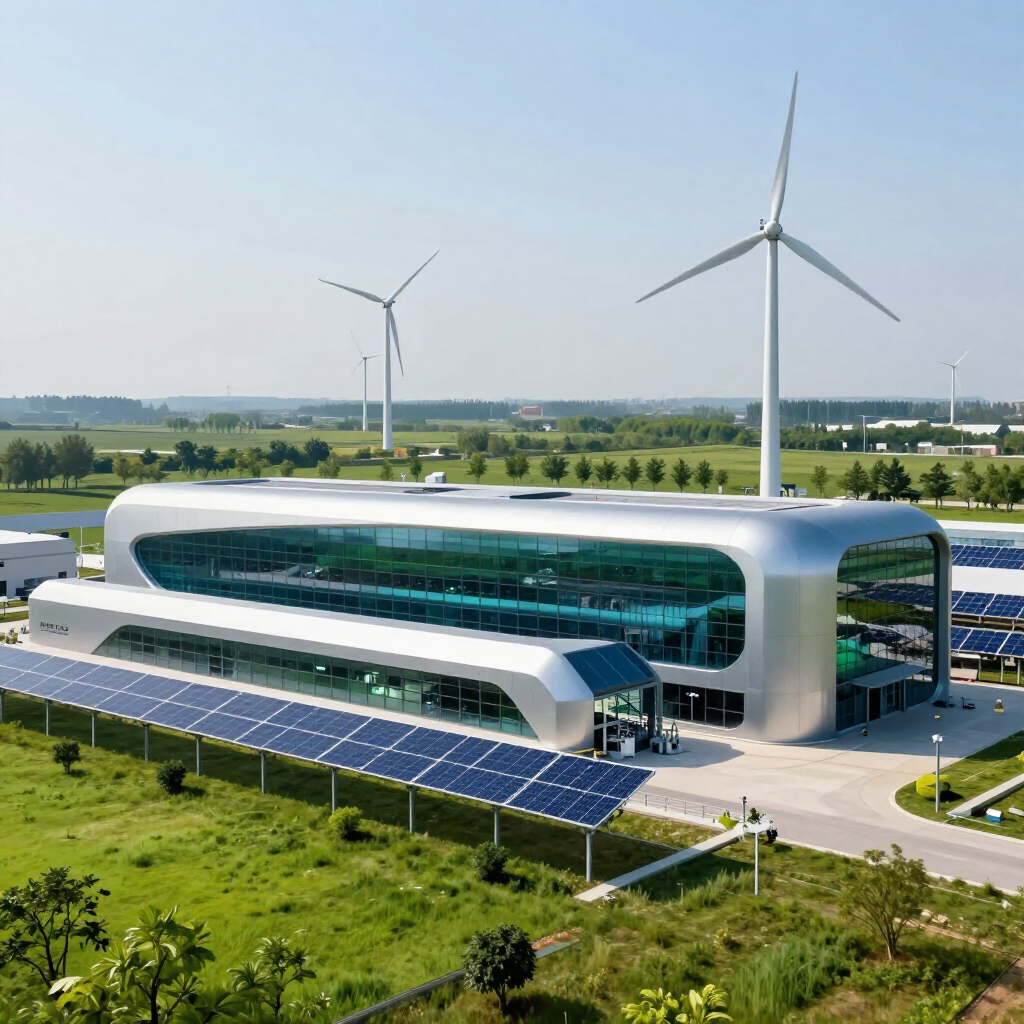
Environmental protection and low carbon footprint
carbon emissions reduction
40-60 %
Compared to wet recycling
Dry processes reduce reliance on acid and alkali chemicals, wastewater treatment, and energy-intensive equipment, helping companies reduce their environmental burden and carbon footprint.
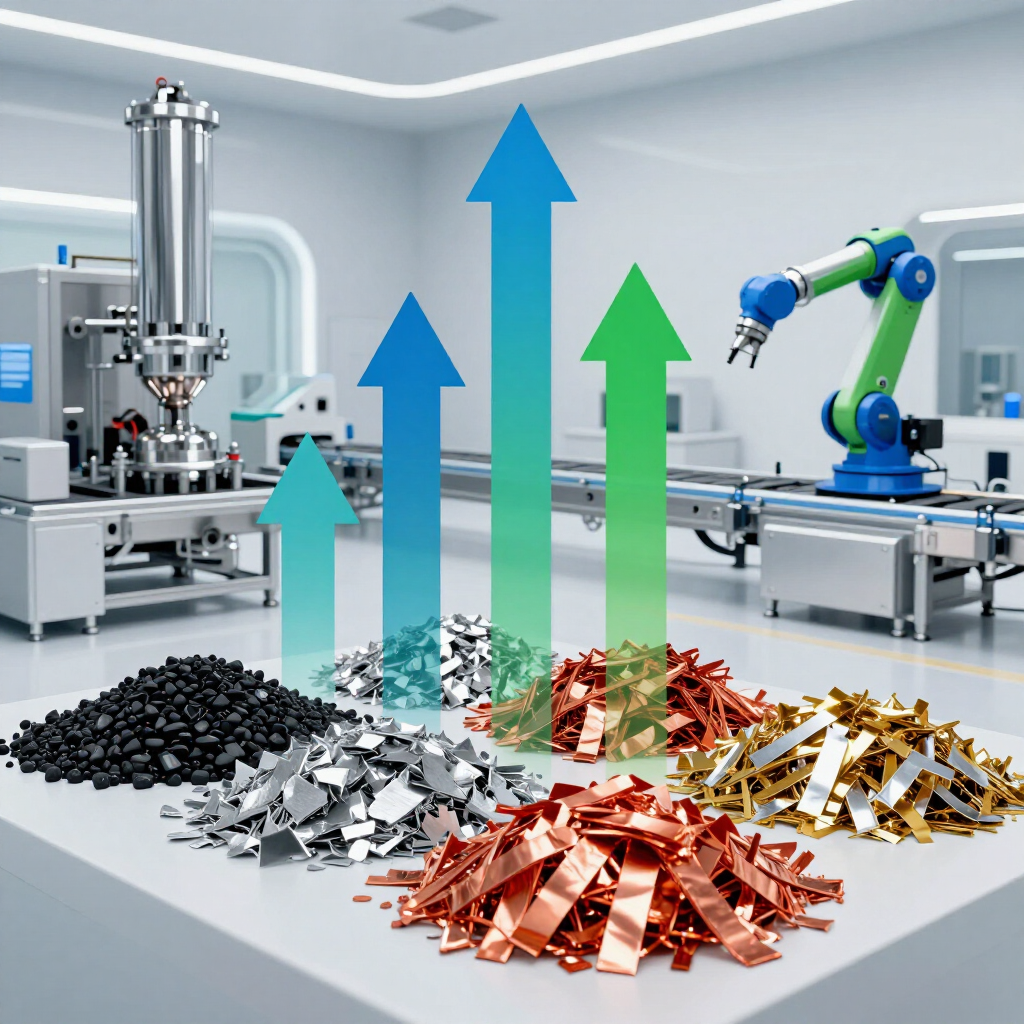
Extremely simplified manufacturing process and high efficiency
Metal recovery rate increased
> 95 %
High-purity metal recycling
Compared to traditional wet processes that require multiple filtrations, extractions, solid-liquid separations, and wastewater treatments, dry processes are simpler and faster.
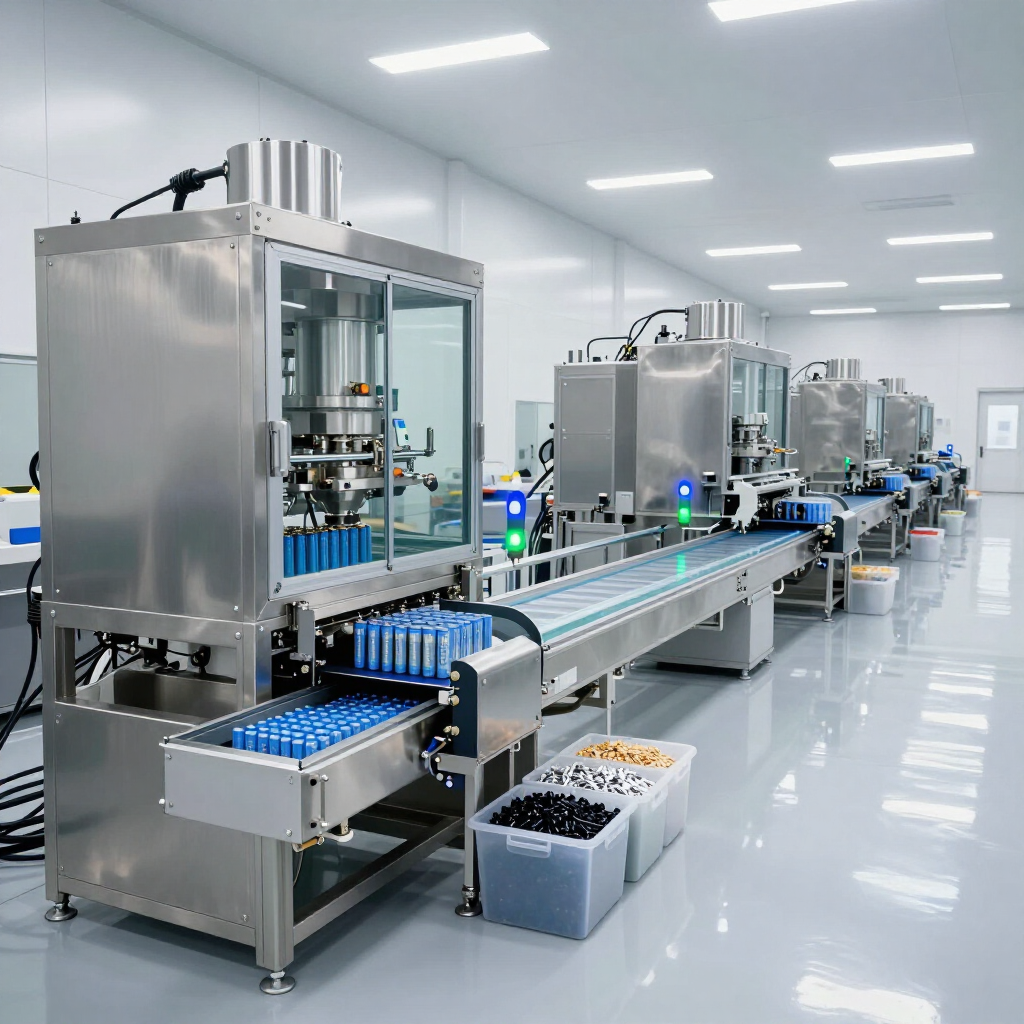
Excellent recycling rate and cost advantage
Operating costs decreased
20-30 %
Equipment energy consumption and processing costs
Dry processing technology can improve the efficiency of critical material recycling and reduce the investment and operating costs associated with acid leaching, wastewater treatment, and energy-intensive equipment.
Want to know how to implement dry recycling technology in your production line?
Contact Li Kesheng for preliminary technical exchange.